


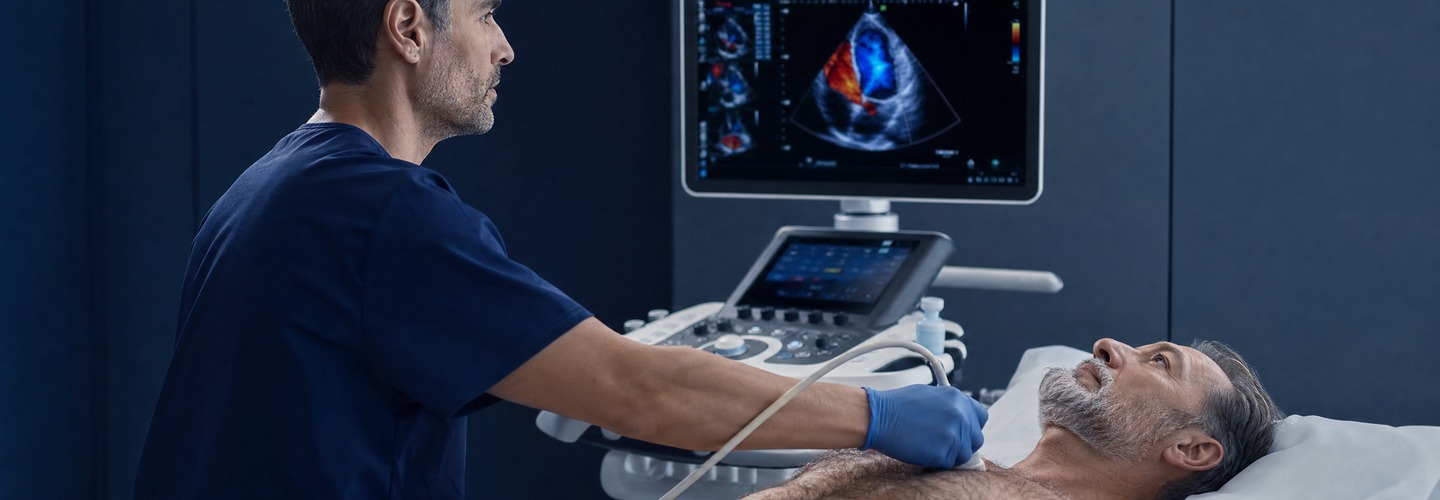
When your doctor suggests a heart test, it is completely normal to feel a bit anxious. One of the most common and effective tests prescribed by cardiologists is an echocardiogram, frequently referred to simply as an "echo." If you are wondering what is an echo and why you might need one, you are in the right place. This guide will walk you through everything you need to know about this painless, non-invasive procedure and how it helps protect your cardiovascular health.
An echocardiogram is essentially an ultrasound of your heart. Just as an ultrasound is used to view a baby during pregnancy, an echo uses high-frequency sound waves to create real-time, moving images of your heart. These sound waves bounce off your heart's walls and valves, and a computer translates those echoes into detailed pictures on a screen.
This test allows your cardiologist to see exactly how your heart is beating and pumping blood. It provides critical information about the size, shape, and overall function of your heart muscle and its valves. Because it relies on sound waves rather than radiation, an echocardiogram is incredibly safe and carries no side effects.
Cardiologists use echocardiograms to diagnose, monitor, and manage a wide variety of heart conditions. Your doctor might recommend an echo if you are experiencing symptoms such as unexplained chest pain, shortness of breath, irregular heartbeats, or swelling in your legs.
Here are some of the primary reasons an echo is performed:
One of the best things about a standard echocardiogram is how simple and comfortable it is for the patient. There is no special preparation required. You can eat, drink, and take your normal medications prior to the test unless your doctor specifically tells you otherwise.
When you arrive for your appointment, you will be asked to undress from the waist up and put on a hospital gown. You will then lie down on an examination table, usually on your left side. A trained ultrasound technician, known as a sonographer, will place small, sticky patches called electrodes on your chest to monitor your heart's electrical activity.
Next, the sonographer will apply a special, water-based gel to your chest. This gel helps the sound waves travel more effectively. They will then press a handheld device called a transducer firmly against your skin, moving it back and forth over your chest. You might feel slight pressure, but the process is not painful.
As the transducer moves, you may hear a \"whooshing\" sound. This is simply the machine amplifying the sound of your blood flowing through your heart valves. The entire procedure typically takes between 30 and 45 minutes. Once it is complete, the gel is wiped off, and you can immediately return to your normal daily activities.
While the standard transthoracic echocardiogram (TTE) described above is the most common, there are a few other variations your doctor might use depending on your specific needs.
After your echocardiogram is complete, a cardiologist will review the images and interpret the data. They will look for any abnormalities in the structure or function of your heart.
If your results are normal, it means your heart is pumping effectively, your valves are working properly, and there are no signs of enlargement or damage. If the echo reveals an issue, your doctor will discuss the findings with you in detail. Depending on the diagnosis, they may recommend lifestyle adjustments, prescribe medication, or suggest further testing to develop a comprehensive treatment plan.
An echocardiogram is a powerful tool that provides invaluable insights into your cardiovascular health. By allowing doctors to see exactly what is happening inside your chest, it ensures that any potential issues are caught early and managed effectively.
If you have been experiencing concerning symptoms or if it is time for a comprehensive heart evaluation, the expert team at Cardiac Care Associates is here to help. We utilize state-of-the-art diagnostic technology to provide accurate, timely answers and personalized care plans.
Call Cardiac Care Associates today at (703) 481-9191 to schedule your appointment and take the next step toward a healthier heart.
Disclaimer: The information provided in this article is for educational purposes only and is not intended as a substitute for professional medical advice, diagnosis, or treatment. Always seek the advice of your physician or other qualified health provider with any questions you may have regarding a medical condition. If you think you may have a medical emergency, call your doctor or 911 immediately.

Cardiac Care Associates welcomes Dr. Ju Young Sally Bae, MD, FACC, an interventional cardiologist bringing advanced expertise in complex coronary care, cardiovascular disease, and patient-centered treatment.

Cardiac Care Associates welcomes Joseph Lee, PA-C, an inpatient cardiovascular physician assistant dedicated to collaborative, patient-centered care for hospitalized heart patients.

Asking "why does my chest hurt?" Learn how to tell the difference between heart pain, muscle strain, and acid reflux, and know when to seek emergency care.
.webp)
To secure your appointment promptly, take advantage of our hassle-free online booking form.


Follow us on social media to stay updated with news and events!


