


If you have been experiencing unexplained dizziness, fainting spells, or a fluttering sensation in your chest, your cardiologist may want to take a closer look at your heart's electrical activity. Often, a standard electrocardiogram (EKG) performed in the office is not enough to catch irregular heartbeats that come and go unpredictably. In these cases, your doctor will likely prescribe a continuous ambulatory monitor. If you have just been told you will be wearing a heart monitor for 2 weeks, you probably have a lot of questions about how it will impact your daily routine.
This guide will explain exactly what to expect, how to manage the device, and why this extended monitoring period is so crucial for your cardiovascular health.
You might wonder why you need to wear a monitor for a full 14 days. The answer comes down to the unpredictable nature of many heart arrhythmias. Some irregular heartbeats happen every day, while others might only occur once a week or even less frequently.
A standard 24-hour Holter monitor is excellent for catching frequent issues, but it can easily miss an arrhythmia that only happens occasionally. By extending the monitoring period to two weeks, cardiologists significantly increase the chances of capturing the exact moment your symptoms occur. This comprehensive data allows them to make an accurate diagnosis and develop a highly effective treatment plan tailored to your specific needs.
When you are prescribed a two-week monitoring period, you will typically be fitted with a modern patch monitor or a mobile cardiac telemetry (MCT) device.
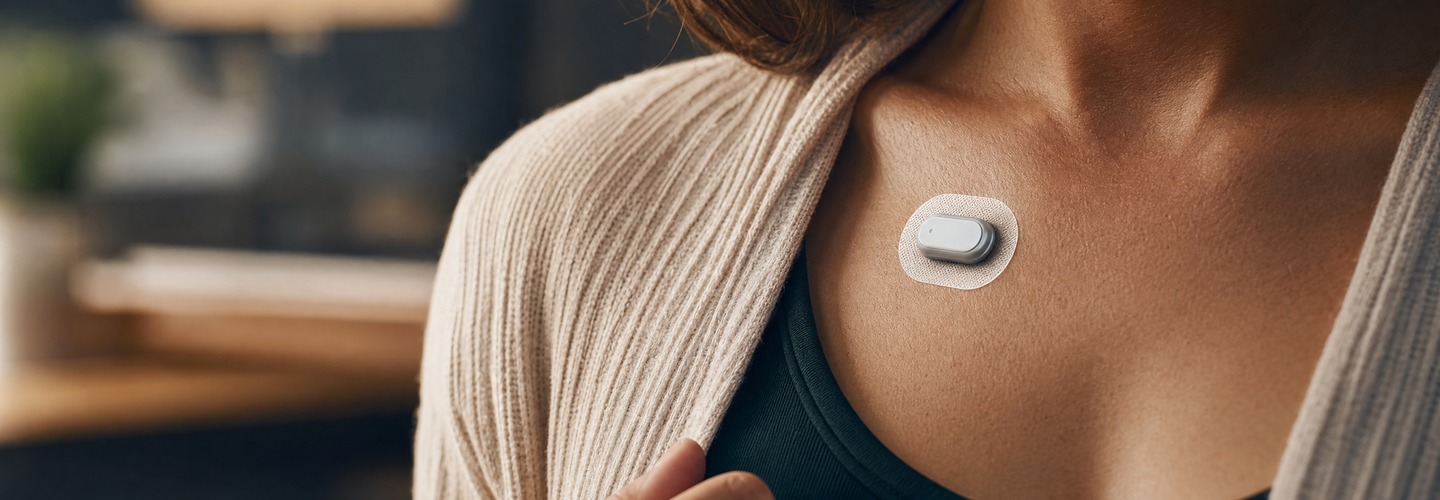
Unlike the bulky, wire-heavy Holter monitors of the past, today's extended monitors are incredibly discreet. The most common type is a small, water-resistant patch that adheres directly to your chest over your heart. It contains a tiny sensor that continuously records your heart rhythm. There are no dangling wires to get tangled in your clothing, and the device is small enough to be completely hidden under a normal shirt.
The primary goal of wearing a heart monitor for 2 weeks is to see how your heart behaves during your normal, everyday activities. Therefore, you should go about your life exactly as you usually would. You can go to work, run errands, exercise, and relax just as you always do.
Here is how to handle specific daily activities while wearing the device:
Most modern patch monitors are water-resistant, meaning you can shower while wearing them. However, it is important to avoid submerging the device completely. You should not take a bath, go swimming, or sit in a hot tub while the monitor is attached. When showering, try to keep the direct stream of water away from the patch, and gently pat the area dry with a towel afterward rather than rubbing it.
Sleeping with a heart monitor is generally very easy due to the slim profile of modern patch devices. You can sleep in whatever position is most comfortable for you. The adhesive is strong enough to keep the monitor securely in place throughout the night. If you happen to sleep on your stomach, you might feel slight pressure, but it should not cause discomfort or disrupt your rest.
You are encouraged to exercise while wearing the monitor, especially if physical exertion tends to trigger your symptoms. Sweating will not damage the device, though excessive sweating could potentially loosen the adhesive over time. If the edges of the patch begin to peel up, your doctor's office will provide you with instructions or extra adhesive tape to secure it.
The monitor is only half of the diagnostic equation. The other half is your personal experience. When you are fitted with the device, you will be given a symptom diary or a digital app to log your activities.
It is absolutely vital that you record any symptoms you feel during the two-week period. If you experience a sudden racing heart, dizziness, shortness of breath, or chest pressure, you must note the exact time and what you were doing when it happened. Many modern monitors also have a small button on the device itself that you can press when you feel a symptom. This places a digital marker on the recording, allowing your cardiologist to look at your exact heart rhythm at that precise moment.
Because the monitor stays attached to your skin for 14 days, mild skin irritation is the most common side effect. The adhesive used is hypoallergenic, but wearing anything on your skin for two weeks can cause slight redness or itching.
To minimize irritation, do not apply lotions, oils, or powders to your chest before the monitor is applied. If the itching becomes severe or if you develop a rash, contact your cardiologist's office. They can advise you on how to manage the irritation or, if necessary, adjust the placement of the device.
Once your two weeks are up, you will return the monitor to your doctor's office or mail it back in a provided pre-paid envelope. The recorded data is then downloaded and analyzed by a specialized technician and your cardiologist.
Because two weeks of continuous monitoring generates a massive amount of data, it may take a few days to a week to get your final results. Your doctor will schedule a follow-up appointment to discuss the findings. They will explain whether any arrhythmias were detected, what those irregular rhythms mean, and what the next steps should be for your treatment.
Wearing a heart monitor for 2 weeks is a simple, painless process that provides incredibly valuable information about your heart health. By capturing the full picture of your heart's electrical activity, it ensures that no symptom goes unexplained.
If you are experiencing concerning heart symptoms, the dedicated team at Cardiac Care Associates is ready to help. We utilize the latest, most comfortable monitoring technology to provide accurate diagnoses and personalized care.
Call Cardiac Care Associates today at (703) 481-9191 to schedule an evaluation and take control of your cardiovascular health.
Disclaimer: The information provided in this article is for educational purposes only and is not intended as a substitute for professional medical advice, diagnosis, or treatment. Always seek the advice of your physician or other qualified health provider with any questions you may have regarding a medical condition. If you think you may have a medical emergency, call your doctor or 911 immediately.

Cardiac Care Associates welcomes Dr. Ju Young Sally Bae, MD, FACC, an interventional cardiologist bringing advanced expertise in complex coronary care, cardiovascular disease, and patient-centered treatment.

Cardiac Care Associates welcomes Joseph Lee, PA-C, an inpatient cardiovascular physician assistant dedicated to collaborative, patient-centered care for hospitalized heart patients.
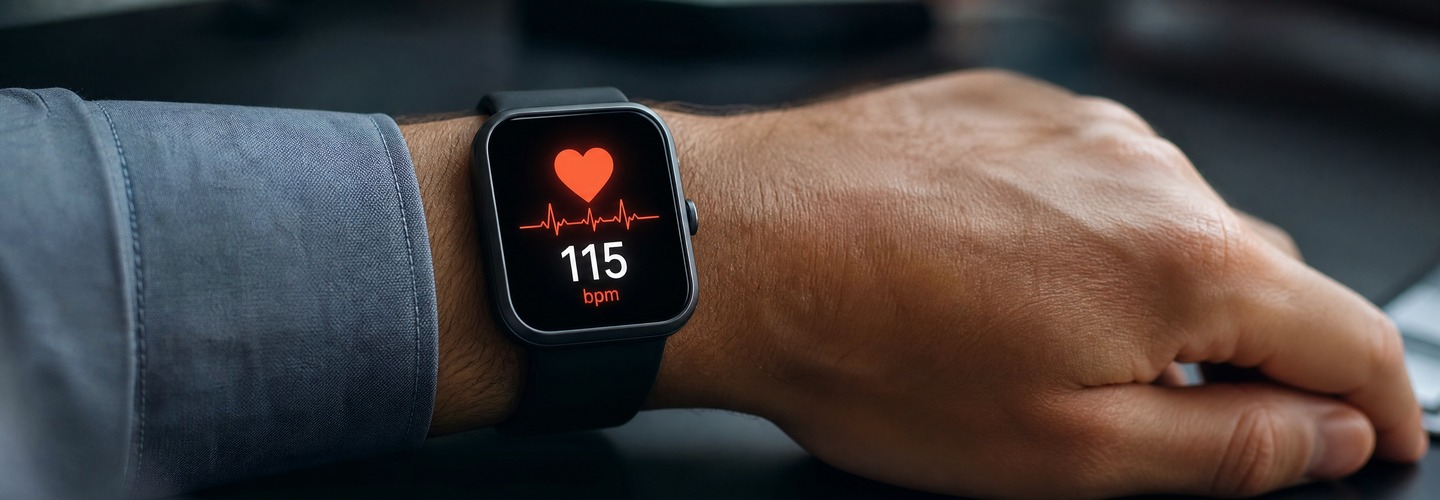
Asking yourself "why is my heart rate so high?" Learn about the common causes of a rapid heartbeat, when tachycardia is dangerous, and how to lower your pulse.
.webp)
To secure your appointment promptly, take advantage of our hassle-free online booking form.


Follow us on social media to stay updated with news and events!


