


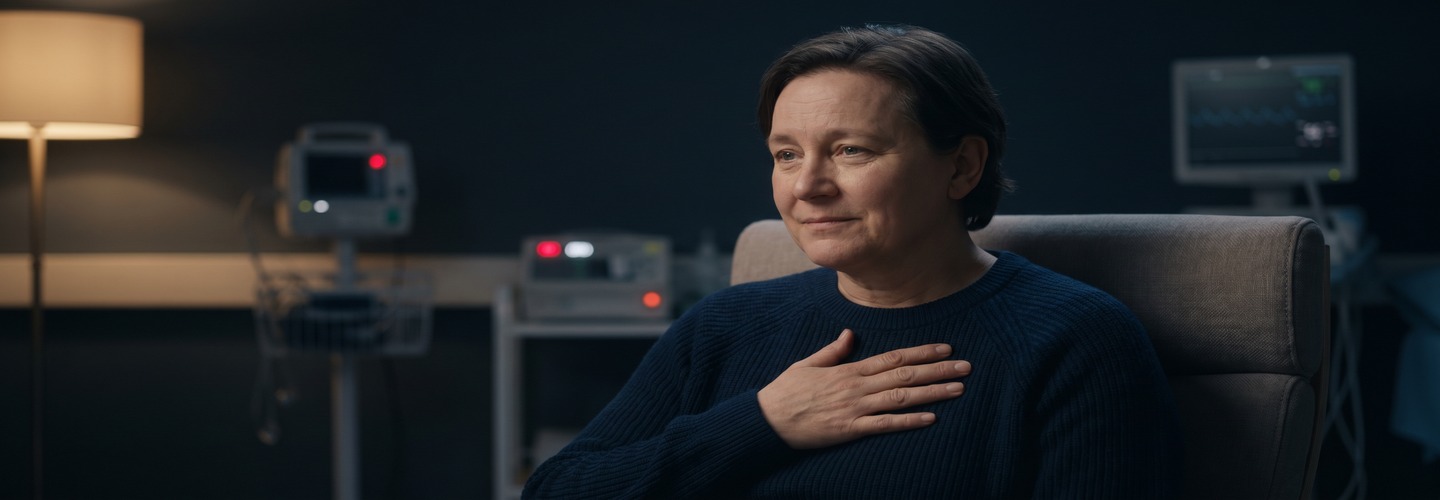
Most of the time, your heart beats quietly in the background, a steady rhythm that you rarely notice. However, there are moments when you might suddenly become acutely aware of your heartbeat. You might feel it pounding in your chest, fluttering rapidly, or even thumping in your neck or ears. This sensation, medically known as heart palpitations, is incredibly common and often harmless. Yet, because it involves the heart, it can be a source of significant anxiety. Understanding why you can feel your heartbeat and knowing when it signals a deeper issue is key to maintaining both your peace of mind and your cardiovascular health.
Heart palpitations are subjective experiences, meaning they feel different to different people. Common descriptions include:
These sensations can occur whether you are active or resting, and they may last for just a few seconds or persist for several minutes.
In many cases, the reason you can feel your heartbeat has nothing to do with a structural problem in your heart. Palpitations are frequently triggered by external factors, lifestyle choices, or emotional states.
The most common trigger for heart palpitations is a surge of adrenaline caused by strong emotions. Anxiety, stress, fear, and even intense excitement can cause your heart to beat faster and harder. Panic attacks, in particular, are notorious for causing severe palpitations that are often mistaken for heart attacks.
What you consume has a direct impact on your heart rate. Caffeine (found in coffee, tea, energy drinks, and chocolate) is a powerful stimulant that can easily trigger palpitations. Nicotine from smoking or vaping has a similar effect. Alcohol consumption, especially binge drinking, can also cause irregular heartbeats. Additionally, some people experience palpitations after eating heavy meals rich in carbohydrates, sugar, or fat, or foods containing monosodium glutamate (MSG).
It is entirely normal to feel your heart pounding during or immediately after strenuous exercise. Your heart is simply working harder to pump oxygen-rich blood to your muscles. However, if the palpitations persist long after you have stopped exercising, it may warrant investigation.
Many common medications can cause palpitations as a side effect. These include over-the-counter cold and cough medicines containing pseudoephedrine, asthma inhalers, thyroid medications, and certain diet pills. Always check the side effects of your medications and discuss them with your doctor.
Women often experience heart palpitations during times of significant hormonal fluctuation, such as during menstruation, pregnancy, or the transition into menopause. These palpitations are usually temporary and harmless.
While most palpitations are benign, they can sometimes be a symptom of an underlying cardiovascular condition. You should pay close attention to how often they occur and what other symptoms accompany them.
Palpitations may be a sign of an arrhythmia, which is an abnormal heart rhythm. Common arrhythmias include:
Other heart conditions that can cause palpitations include coronary artery disease, heart failure, heart valve problems, or a previous heart attack.
You should seek immediate emergency medical attention if your heart palpitations are accompanied by any of the following "red flag" symptoms:
These symptoms, combined with palpitations, could indicate a serious cardiac event that requires urgent intervention.
If you experience frequent, bothersome palpitations, or if you have a history of heart disease, you should schedule an evaluation with a cardiologist.
To determine the cause of your palpitations, your doctor will likely start with an electrocardiogram (EKG) to record your heart's electrical activity. Because palpitations can be unpredictable and might not happen while you are in the doctor's office, you may be asked to wear a Holter monitor or a continuous ambulatory monitor for 24 to 48 hours, or even up to two weeks, to capture the irregular rhythms as they occur in your daily life.
Treatment for palpitations depends entirely on the cause. If they are triggered by lifestyle factors, reducing stress, cutting back on caffeine, and staying hydrated may be all that is needed. If an underlying arrhythmia is diagnosed, your cardiologist may recommend medications to control your heart rate or rhythm, or a procedure such as a catheter ablation to correct the electrical pathways in your heart.
Feeling your heartbeat can be unsettling, but you do not have to navigate it alone. The experienced cardiologists at Cardiac Care Associates specialize in diagnosing and treating all types of heart rhythm disorders. We utilize advanced diagnostic tools to pinpoint the cause of your palpitations and develop a personalized treatment plan to restore your heart's normal rhythm and your peace of mind.
Call Cardiac Care Associates today at (703) 481-9191 to schedule a comprehensive evaluation and take the first step toward better heart health.
Disclaimer: The information provided in this article is for educational purposes only and is not intended as a substitute for professional medical advice, diagnosis, or treatment. Always seek the advice of your physician or other qualified health provider with any questions you may have regarding a medical condition. If you think you may have a medical emergency, call your doctor or 911 immediately.

Cardiac Care Associates welcomes Dr. Ju Young Sally Bae, MD, FACC, an interventional cardiologist bringing advanced expertise in complex coronary care, cardiovascular disease, and patient-centered treatment.

Cardiac Care Associates welcomes Joseph Lee, PA-C, an inpatient cardiovascular physician assistant dedicated to collaborative, patient-centered care for hospitalized heart patients.

What is cardiac catheterization? Learn how this minimally invasive procedure works, what to expect during recovery, and how it helps diagnose heart conditions.
.webp)
To secure your appointment promptly, take advantage of our hassle-free online booking form.


Follow us on social media to stay updated with news and events!


