



When you experience pain in the middle of your chest, your mind almost immediately jumps to the worst case scenario. For women, this fear is entirely justified, but the reality is often much more complex. Female pain in the middle of the chest can be caused by a wide variety of conditions, ranging from minor muscular strains to severe cardiovascular events. Understanding the unique ways women experience chest pain and knowing when to seek immediate medical attention is crucial for protecting your heart health.
For decades, the classic image of a heart attack was a man clutching the center of his chest in agonizing pain. While women certainly can and do experience this classic "elephant on the chest" crushing pressure, their symptoms are frequently much more subtle and easily misunderstood.
Women are more likely than men to experience atypical symptoms during a cardiac event. The pain in the middle of the chest might not feel like a sharp or crushing pain at all. Instead, many women describe the sensation as:
Because these sensations are less dramatic than the classic Hollywood heart attack, many women delay seeking medical help, attributing the discomfort to stress, a pulled muscle, or something they ate. This delay can be incredibly dangerous.
When evaluating female pain in the middle of the chest, it is vital to look at the entire picture. Heart attacks in women are often accompanied by a cluster of other symptoms that might seem unrelated to the heart. If your chest pain is accompanied by any of the following signs, you should treat it as a medical emergency:
While you should always rule out a heart attack first, it is important to know that female pain in the middle of the chest is frequently caused by conditions entirely unrelated to the heart.
The esophagus sits directly behind the heart, which is why gastrointestinal problems are one of the most common culprits for central chest pain. Acid reflux, commonly known as heartburn, occurs when stomach acid flows back up into the esophagus, causing a burning sensation in the middle of the chest. Other digestive issues like gallstones, stomach ulcers, or spasms in the esophagus can also mimic heart pain.
Your chest wall is made up of ribs, muscles, and cartilage. A condition called costochondritis, which is an inflammation of the cartilage connecting your ribs to your breastbone, can cause sharp, aching pain in the center of your chest. This pain typically worsens when you take a deep breath or press on the affected area. Pulled muscles in the chest or upper back from heavy lifting or strenuous exercise can also cause significant discomfort.
Severe anxiety and panic attacks can produce physical symptoms that are nearly identical to a heart attack. A panic attack can cause a racing heartbeat, shortness of breath, sweating, and intense pain or tightness in the middle of the chest. While a panic attack is not physically dangerous to your heart, it is a terrifying experience that requires proper management and care.
Because the lungs surround the heart, respiratory issues can easily cause central chest pain. A pulmonary embolism (a blood clot in the lung), pneumonia, or pleurisy (inflammation of the lining of the lungs) can all cause sharp chest pain that usually gets worse when you inhale, cough, or sneeze.
You should never try to diagnose the cause of your chest pain at home. If you experience sudden, severe pain in the middle of your chest, or if your pain is accompanied by shortness of breath, nausea, cold sweats, or pain radiating to your jaw or arms, call 911 immediately. Do not attempt to drive yourself to the hospital.
Even if your symptoms are mild but persistent, or if they come and go over several days, you should schedule an appointment with a cardiologist. Early detection is the key to preventing serious cardiovascular events.
Understanding your body and recognizing the signs of distress is the first step in proactive heart care. If you are concerned about female pain in the middle of the chest or want to assess your overall cardiovascular risk, the expert team at Cardiac Care Associates is here to help. We specialize in comprehensive, patient-centered cardiac evaluations tailored specifically to women's unique heart health needs.
Call Cardiac Care Associates today at (703) 481-9191 to schedule a thorough evaluation and take control of your cardiovascular wellness.
Disclaimer: The information provided in this article is for educational purposes only and is not intended as a substitute for professional medical advice, diagnosis, or treatment. Always seek the advice of your physician or other qualified health provider with any questions you may have regarding a medical condition. If you think you may have a medical emergency, call your doctor or 911 immediately.

Cardiac Care Associates welcomes Dr. Ju Young Sally Bae, MD, FACC, an interventional cardiologist bringing advanced expertise in complex coronary care, cardiovascular disease, and patient-centered treatment.

Cardiac Care Associates welcomes Joseph Lee, PA-C, an inpatient cardiovascular physician assistant dedicated to collaborative, patient-centered care for hospitalized heart patients.
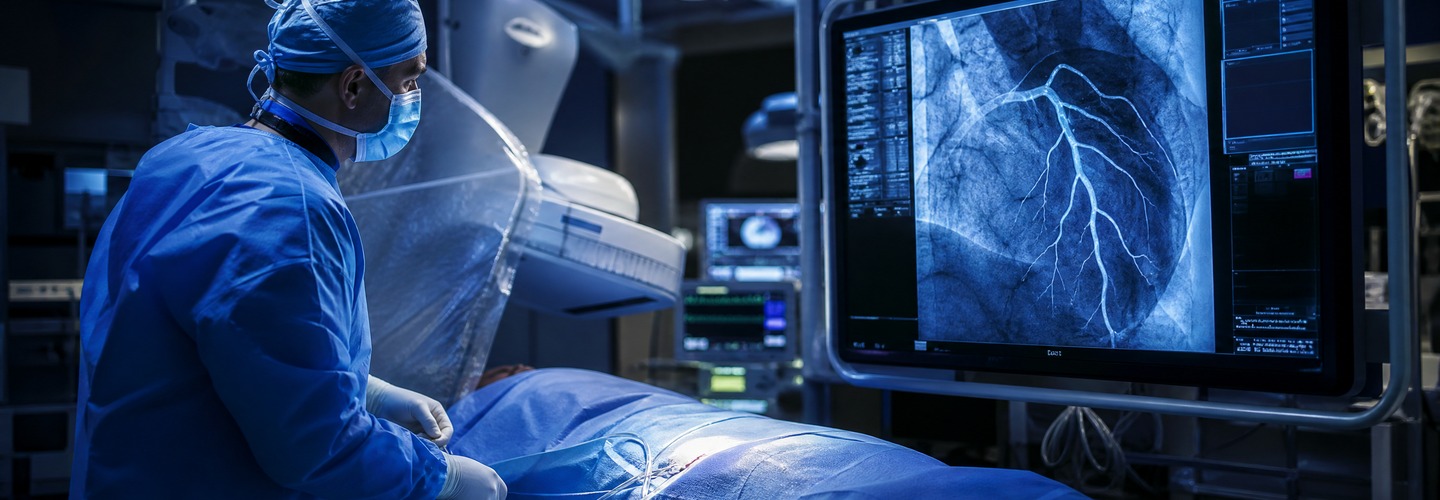
What is cardiac catheterization? Learn how this minimally invasive procedure works, what to expect during recovery, and how it helps diagnose heart conditions.
.webp)
To secure your appointment promptly, take advantage of our hassle-free online booking form.


Follow us on social media to stay updated with news and events!


