


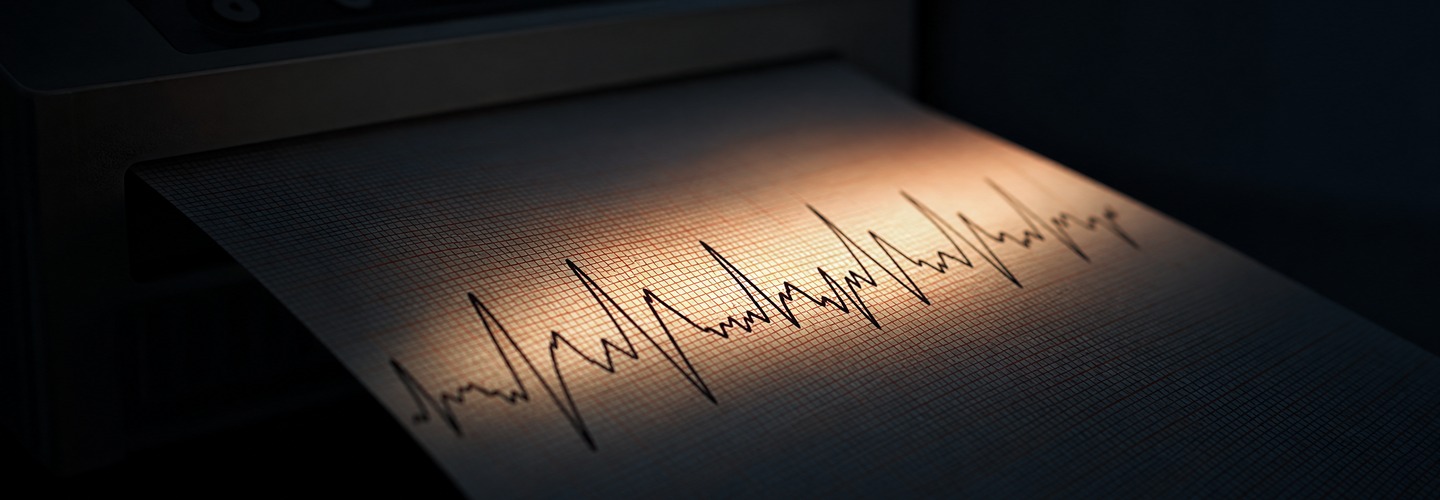
Your heart is a highly precise, electrically driven pump. Under normal circumstances, it beats in a steady, predictable rhythm, adjusting its speed seamlessly based on your body's need for oxygen. However, when the electrical signals that coordinate your heartbeats malfunction, the result is an irregular heartbeat, medically known as an arrhythmia. Experiencing a skipped beat, a sudden flutter, or a racing pulse can be frightening. Understanding what causes an irregular heartbeat and knowing when to seek medical attention is vital for your cardiovascular health.
An irregular heartbeat does not always mean your heart is beating too fast. Arrhythmias can take several different forms, and the physical sensations vary widely from person to person. You might experience:
It is also important to note that some people with dangerous arrhythmias experience no physical sensations in their chest at all. Instead, they may feel dizzy, short of breath, or unusually tired.
The electrical system of the heart is sensitive and can be disrupted by a wide variety of factors, ranging from temporary lifestyle triggers to permanent structural damage.
Many irregular heartbeats are benign and are caused by external factors that temporarily irritate the heart's electrical pathways. Common triggers include:
If lifestyle triggers are not to blame, an irregular heartbeat may be a symptom of an underlying health issue.
One of the most common and concerning types of irregular heartbeat is Atrial Fibrillation, or AFib. In AFib, the upper chambers of the heart (the atria) beat chaotically and irregularly, out of coordination with the lower chambers.
While AFib itself is not usually immediately life-threatening, it causes blood to pool and stagnate in the upper chambers. This pooled blood can form clots. If a clot breaks loose and travels to the brain, it can cause a severe stroke. In fact, people with untreated AFib are five times more likely to suffer a stroke than those with a normal heart rhythm.
While an occasional skipped beat is usually harmless, certain symptoms require immediate emergency medical attention. Call 911 if your irregular heartbeat is accompanied by:
If you frequently experience an irregular heartbeat, you should schedule an evaluation with a cardiologist. To diagnose the specific type of arrhythmia, your doctor will likely use an electrocardiogram (EKG). Because arrhythmias can be unpredictable, you may also be asked to wear a portable Holter monitor or event monitor for several days or weeks to capture the irregular rhythm when it happens.
Treatment depends entirely on the type and severity of the arrhythmia. In some cases, lifestyle changes like reducing stress and cutting out caffeine are sufficient. For more significant arrhythmias, treatment may include:
An irregular heartbeat is your body's way of telling you that something needs attention. Do not ignore a fluttering or racing heart, especially if it happens frequently or is accompanied by other symptoms.
The expert cardiologists at Cardiac Care Associates are highly experienced in diagnosing and treating all types of heart rhythm disorders. We utilize the latest diagnostic technology and evidence-based treatments to restore your heart's normal rhythm and protect your long-term health.
Call Cardiac Care Associates today at (703) 481-9191 to schedule a comprehensive cardiac evaluation.
Disclaimer: The information provided in this article is for educational purposes only and is not intended as a substitute for professional medical advice, diagnosis, or treatment. Always seek the advice of your physician or other qualified health provider with any questions you may have regarding a medical condition. If you think you may have a medical emergency, call your doctor or 911 immediately.

Cardiac Care Associates welcomes Dr. Ju Young Sally Bae, MD, FACC, an interventional cardiologist bringing advanced expertise in complex coronary care, cardiovascular disease, and patient-centered treatment.

Cardiac Care Associates welcomes Joseph Lee, PA-C, an inpatient cardiovascular physician assistant dedicated to collaborative, patient-centered care for hospitalized heart patients.
Experiencing an irregular heartbeat? Learn about the common causes of arrhythmias, what symptoms to watch for, and when you need to see a cardiologist.
.webp)
To secure your appointment promptly, take advantage of our hassle-free online booking form.


Follow us on social media to stay updated with news and events!


