



Congestive heart failure, often referred to simply as heart failure, is a chronic and progressive condition in which the heart muscle is unable to pump blood as efficiently as it should. This doesn't mean the heart has stopped working, but rather that it is weakened and cannot keep up with the body's demand for blood and oxygen.
As the heart’s pumping action loses power, blood can back up in other areas of the body, leading to fluid buildup in the lungs, liver, abdomen, and lower extremities. This “congestion” is why it is called congestive heart failure (CHF). Understanding the symptoms, causes, and treatment options is crucial for managing this serious condition and improving quality of life.
The signs of heart failure can range from mild to severe and may come and go. In the early stages, you may not notice any symptoms. However, as the condition progresses, symptoms become more apparent. The most common warning signs include:
Heart failure often develops after other conditions have damaged or weakened the heart. The most common causes include:
If you are experiencing symptoms of heart failure, a cardiologist will perform a thorough evaluation, which may include a physical exam, blood tests, an electrocardiogram (ECG), and an echocardiogram. An echocardiogram is a heart ultrasound that is one of the most valuable tools for diagnosing heart failure, as it can show the size and shape of your heart and how well it is pumping.
While there is no cure for heart failure, there are many treatment options available to manage the condition, relieve symptoms, and improve quality of life. Treatment plans are highly personalized and may include:
Living with congestive heart failure requires ongoing management and a dedicated medical team. At Cardiac Care Associates, our cardiologists are experts in diagnosing and treating heart failure. We work closely with each patient to create a comprehensive and personalized care plan aimed at improving heart function and enhancing quality of life.
If you have been diagnosed with heart failure or are experiencing symptoms, contact us today.
Call (703) 481-9191 to schedule an appointment with one of our heart failure specialists.
Disclaimer: This blog article is for informational purposes only and does not constitute medical advice. The content is not intended to be a substitute for professional medical advice, diagnosis, or treatment. Always seek the advice of your physician or other qualified health provider with any questions you may have regarding a medical condition. Never disregard professional medical advice or delay in seeking it because of something you have read on this website.

Cardiac Care Associates welcomes Dr. Ju Young Sally Bae, MD, FACC, an interventional cardiologist bringing advanced expertise in complex coronary care, cardiovascular disease, and patient-centered treatment.

Cardiac Care Associates welcomes Joseph Lee, PA-C, an inpatient cardiovascular physician assistant dedicated to collaborative, patient-centered care for hospitalized heart patients.
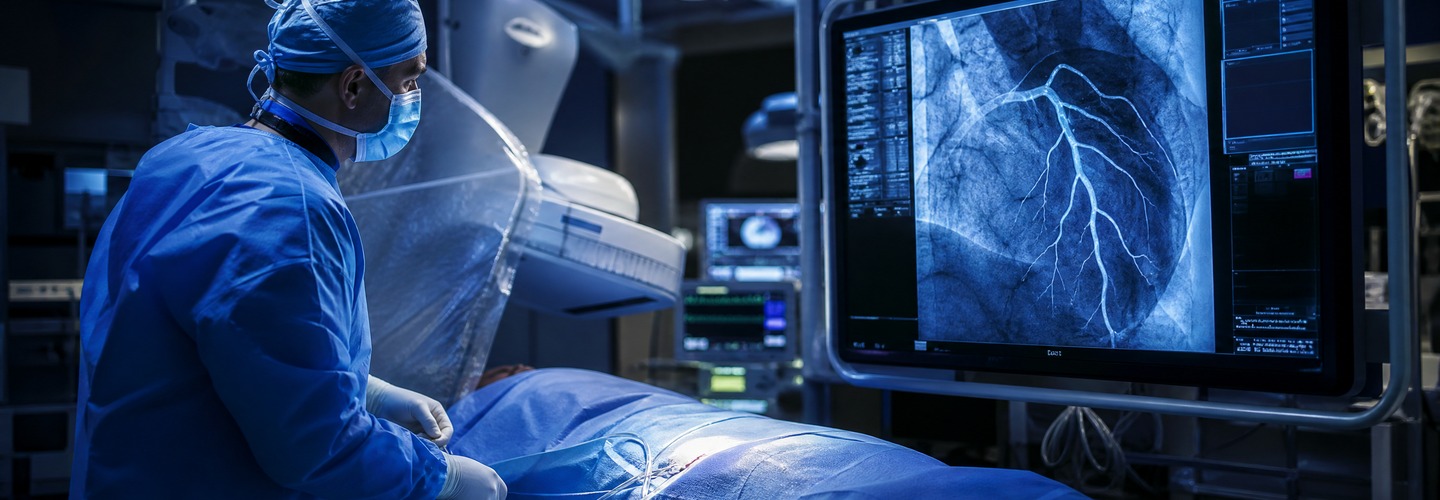
What is cardiac catheterization? Learn how this minimally invasive procedure works, what to expect during recovery, and how it helps diagnose heart conditions.
.webp)
To secure your appointment promptly, take advantage of our hassle-free online booking form.


Follow us on social media to stay updated with news and events!


