


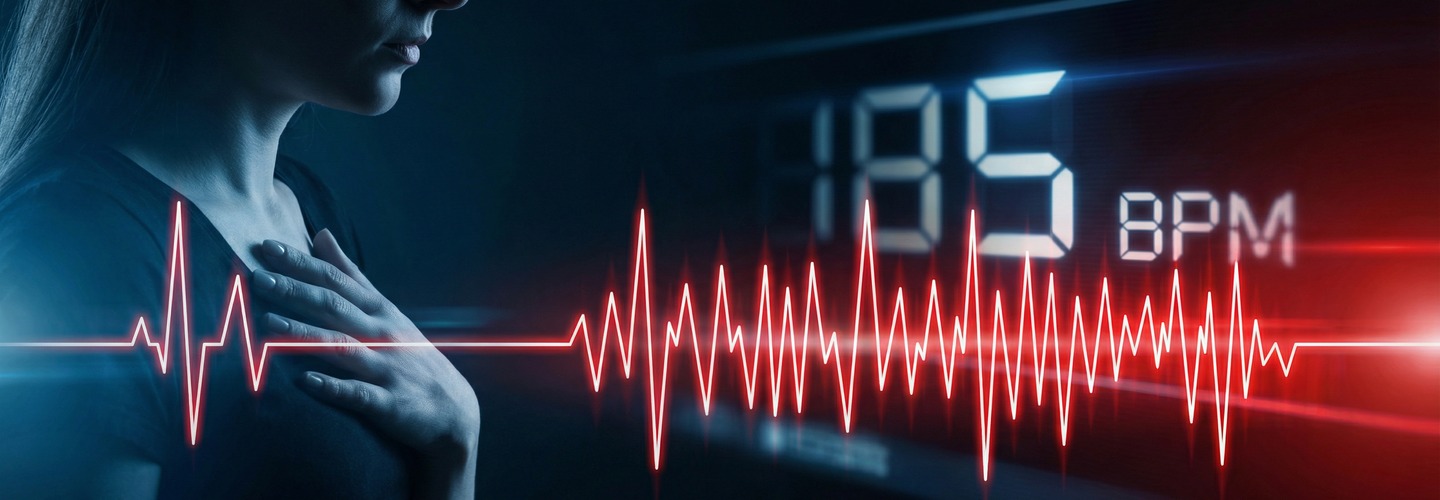
Heart rate abnormalities in women can present differently than in men and may be influenced by unique factors including hormonal changes, pregnancy, menopause, and gender-specific cardiovascular risk factors. Understanding what constitutes a dangerous heart rate for women, recognizing warning signs that require immediate attention, and knowing when to seek medical care can be life-saving. Women's heart health has historically been understudied, making awareness of gender-specific cardiac symptoms and risk factors particularly important for protecting your cardiovascular wellness.
While the general normal resting heart rate range of 60-100 beats per minute applies to both men and women, several factors can influence what's considered normal for individual women.
Hormonal influences throughout a woman's life can affect heart rate patterns. Estrogen and progesterone fluctuations during menstrual cycles, pregnancy, and menopause can cause variations in resting heart rate and response to exercise or stress.
Age-related changes in women may differ from those in men, with some research suggesting that women's heart rates may remain slightly higher than men's throughout life, and that age-related increases in resting heart rate may be more pronounced in women.
Fitness level significantly impacts normal heart rate ranges, with well-conditioned women potentially having resting heart rates in the 50s or even lower 60s, while sedentary women might have resting rates in the upper normal range.
Body size and composition can influence heart rate, with smaller women sometimes having naturally higher heart rates than larger women, though this varies considerably among individuals.
Tachycardia, or abnormally fast heart rate, becomes dangerous when it compromises the heart's ability to pump blood effectively or when it indicates underlying serious conditions.
Resting heart rates consistently above 100 beats per minute warrant medical evaluation, particularly if accompanied by symptoms like chest pain, shortness of breath, dizziness, or fatigue. While brief episodes of rapid heart rate can be normal responses to stress or activity, persistent tachycardia requires assessment.
Heart rates above 150 beats per minute at rest are generally considered dangerous and may indicate serious arrhythmias that require immediate medical attention. At these rates, the heart may not have adequate time to fill with blood between beats, reducing cardiac output.
Supraventricular tachycardia episodes in women can cause heart rates of 150-250 beats per minute and may be triggered by hormonal changes, stress, or underlying heart conditions. These episodes often start and stop suddenly and can be particularly frightening.
Exercise-induced heart rates that exceed 85% of maximum predicted heart rate (calculated as 220 minus age) and don't decrease appropriately with rest may indicate dangerous conditions, particularly if accompanied by chest pain, severe shortness of breath, or dizziness.
Bradycardia, or abnormally slow heart rate, can be dangerous when it fails to provide adequate circulation to meet the body's needs.
Resting heart rates below 50 beats per minute in non-athletic women may indicate problems with the heart's electrical system, particularly if accompanied by symptoms like fatigue, dizziness, fainting, or shortness of breath.
Heart rates below 40 beats per minute are generally considered dangerous regardless of fitness level, as they may not provide adequate circulation to vital organs, particularly the brain and kidneys.
Symptomatic bradycardia, where slow heart rate causes dizziness, fainting, chest pain, or severe fatigue, is dangerous regardless of the specific heart rate number and requires immediate medical evaluation.
Sudden drops in heart rate, particularly during activity or stress when heart rate should increase, can indicate serious problems with the heart's electrical conduction system.
Women face unique cardiovascular risk factors that can contribute to dangerous heart rate abnormalities.
Hormonal fluctuations throughout life can trigger heart rhythm abnormalities. Estrogen levels affect the heart's electrical system, and dramatic changes during menstruation, pregnancy, or menopause can precipitate arrhythmias in susceptible women.
Pregnancy-related heart rate changes are normal to some degree, with resting heart rate typically increasing by 10-20 beats per minute during pregnancy. However, excessive increases or symptomatic tachycardia during pregnancy require medical evaluation.
Menopause can trigger new onset of heart rhythm abnormalities, with declining estrogen levels potentially contributing to atrial fibrillation and other arrhythmias in previously healthy women.
Thyroid disorders are more common in women and can cause both dangerous tachycardia and bradycardia. Hyperthyroidism can cause rapid, irregular heart rhythms, while hypothyroidism can cause dangerously slow heart rates.
Autoimmune conditions that are more prevalent in women, such as lupus and rheumatoid arthritis, can affect the heart's electrical system and increase the risk of dangerous arrhythmias.
Certain symptoms accompanying abnormal heart rates indicate potentially dangerous situations requiring immediate medical attention.
Chest pain or pressure accompanying rapid or slow heart rates can indicate that the abnormal rhythm is compromising blood flow to the heart muscle itself, potentially causing a heart attack.
Severe shortness of breath that develops suddenly with heart rate changes, particularly if accompanied by chest pain or dizziness, may indicate that the heart rate abnormality is causing heart failure or other serious complications.
Fainting or near-fainting episodes associated with heart rate changes are serious warning signs that the abnormal rhythm is preventing adequate blood flow to the brain.
Sudden onset of rapid heart rate, particularly rates above 150 beats per minute that don't slow down with rest or relaxation techniques, requires emergency evaluation.
Palpitations that feel different from previous episodes, are more severe, or are accompanied by other concerning symptoms should prompt immediate medical attention.
Women's susceptibility to dangerous heart rates can vary depending on their life stage and hormonal status.
Reproductive years may be associated with heart rate fluctuations related to menstrual cycles, with some women experiencing palpitations or rapid heart rate around ovulation or menstruation. While often benign, new or severe symptoms warrant evaluation.
Pregnancy brings normal increases in heart rate, but dangerous tachycardia can occur, particularly in women with underlying heart conditions or pregnancy complications like preeclampsia.
Postpartum period can be associated with new onset of heart rhythm abnormalities, including dangerous arrhythmias that may be related to hormonal changes, sleep deprivation, or pregnancy-related heart muscle changes.
Perimenopause and menopause are times of increased risk for new heart rhythm abnormalities, with many women experiencing their first episodes of atrial fibrillation or other arrhythmias during this transition.
Various medications and substances can cause dangerous heart rate abnormalities in women.
Stimulant medications, including some weight loss drugs, ADHD medications, and decongestants, can cause dangerous tachycardia, particularly in women with underlying heart conditions or sensitivity to stimulants.
Thyroid medications, when dosed too high, can cause dangerous rapid heart rates. Women taking thyroid replacement therapy need regular monitoring to ensure appropriate dosing.
Antidepressants and other psychiatric medications can affect heart rate and rhythm, with some causing dangerous tachycardia or bradycardia, particularly when starting treatment or changing doses.
Caffeine sensitivity may be higher in some women, particularly during certain hormonal states, and can trigger dangerous rapid heart rates in susceptible individuals.
Alcohol can trigger dangerous arrhythmias, including atrial fibrillation, and this risk may be influenced by hormonal factors in women.
Certain combinations of heart rate abnormalities and symptoms constitute medical emergencies requiring immediate professional intervention.
Heart rates above 180 beats per minute at rest, particularly if sustained for more than a few minutes, require emergency care as they can lead to heart failure or other serious complications.
Heart rates below 40 beats per minute with symptoms like chest pain, severe dizziness, or difficulty breathing require immediate medical attention.
Any heart rate abnormality accompanied by signs of stroke, including sudden weakness, numbness, confusion, or difficulty speaking, requires emergency care.
Chest pain with heart rate abnormalities, particularly if the pain is severe, crushing, or radiating to the arm, jaw, or back, may indicate a heart attack requiring immediate treatment.
Loss of consciousness associated with heart rate abnormalities requires emergency evaluation, as it may indicate dangerous arrhythmias that could be life-threatening.
When dangerous heart rates are suspected, various diagnostic tools help determine the cause and appropriate treatment.
Electrocardiograms provide detailed information about heart rhythm and can identify specific types of dangerous arrhythmias, including atrial fibrillation, ventricular tachycardia, and heart block.
Holter monitoring or event monitors can capture heart rhythm abnormalities that occur intermittently, providing crucial information about the frequency and nature of dangerous heart rates.
Blood tests can identify underlying causes of heart rate abnormalities, including thyroid disorders, electrolyte imbalances, and markers of heart muscle damage.
Echocardiograms assess heart structure and function to determine if dangerous heart rates are related to underlying heart disease.
Stress testing may be performed to evaluate how heart rate responds to exercise and whether dangerous arrhythmias are triggered by physical activity.
Treatment for dangerous heart rates depends on the underlying cause, severity, and impact on the woman's health and quality of life.
Medication management may include antiarrhythmic drugs to control heart rhythm, beta-blockers to slow rapid heart rates, or medications to treat underlying conditions causing the abnormal rhythms.
Cardioversion, either electrical or chemical, may be used to restore normal rhythm in women with dangerous tachyarrhythmias like atrial fibrillation or supraventricular tachycardia.
Pacemaker implantation may be necessary for women with dangerous bradycardia that doesn't respond to other treatments or is caused by permanent damage to the heart's electrical system.
Catheter ablation procedures can eliminate abnormal electrical pathways causing dangerous tachyarrhythmias, providing a potential cure for certain types of rhythm abnormalities.
Lifestyle modifications, including stress management, avoiding triggers, and maintaining heart-healthy habits, are important components of treatment for many women with heart rate abnormalities.
While not all dangerous heart rates can be prevented, certain strategies can reduce risk and help maintain healthy heart rhythms.
Regular medical care allows for early detection and treatment of conditions that can lead to dangerous heart rates, including thyroid disorders, heart disease, and electrolyte imbalances.
Heart-healthy lifestyle choices, including regular exercise, healthy diet, stress management, and avoiding smoking, support overall cardiovascular health and may reduce the risk of dangerous arrhythmias.
Hormone management during menopause, when appropriate and safe, may help reduce the risk of new-onset heart rhythm abnormalities in some women.
Medication awareness involves understanding the potential cardiac effects of all medications and supplements, and discussing concerns with healthcare providers.
Women diagnosed with heart rate abnormalities can often maintain good quality of life with appropriate management and monitoring.
Self-monitoring techniques, including checking pulse regularly and being aware of symptoms, help women recognize when their heart rate abnormalities may be worsening.
Activity modifications may be necessary initially, though many women with treated heart rate abnormalities can return to normal activities with proper medical management.
Emergency preparedness involves knowing when to seek immediate care and having a plan for accessing emergency services if dangerous symptoms develop.
Support systems, including family, friends, and healthcare providers, are important for managing the emotional and practical aspects of living with heart rhythm disorders.
Women's heart health requires specialized attention due to unique risk factors, symptom patterns, and treatment considerations.
Healthcare providers with expertise in women's cardiovascular health can provide more appropriate evaluation and treatment of heart rate abnormalities in women.
Research into women's heart health continues to reveal important differences in how heart disease and rhythm abnormalities affect women compared to men.
Advocacy for women's heart health includes seeking appropriate medical attention for cardiac symptoms and not accepting dismissal of concerning symptoms as stress or anxiety.
Understanding what constitutes a dangerous heart rate for women and recognizing warning signs that require medical attention is crucial for protecting your cardiovascular health. Women face unique risk factors and may experience different symptoms than men, making awareness of gender-specific cardiac concerns particularly important.
If you're experiencing concerning heart rate abnormalities or have questions about your cardiovascular health as a woman, the experienced cardiologists at Cardiac Care Associates in Northern Virginia provide expert, gender-sensitive cardiac care tailored to women's unique needs.
Don't ignore concerning heart rate symptoms or accept dismissal of your cardiac concerns. Call Cardiac Care Associates at (703) 481-9191 today to schedule your consultation and get the expert evaluation and care you need to protect your heart health and address dangerous heart rate concerns.

Cardiac Care Associates welcomes Dr. Ju Young Sally Bae, MD, FACC, an interventional cardiologist bringing advanced expertise in complex coronary care, cardiovascular disease, and patient-centered treatment.

Cardiac Care Associates welcomes Joseph Lee, PA-C, an inpatient cardiovascular physician assistant dedicated to collaborative, patient-centered care for hospitalized heart patients.

What is cardiac catheterization? Learn how this minimally invasive procedure works, what to expect during recovery, and how it helps diagnose heart conditions.
.webp)
To secure your appointment promptly, take advantage of our hassle-free online booking form.


Follow us on social media to stay updated with news and events!


