


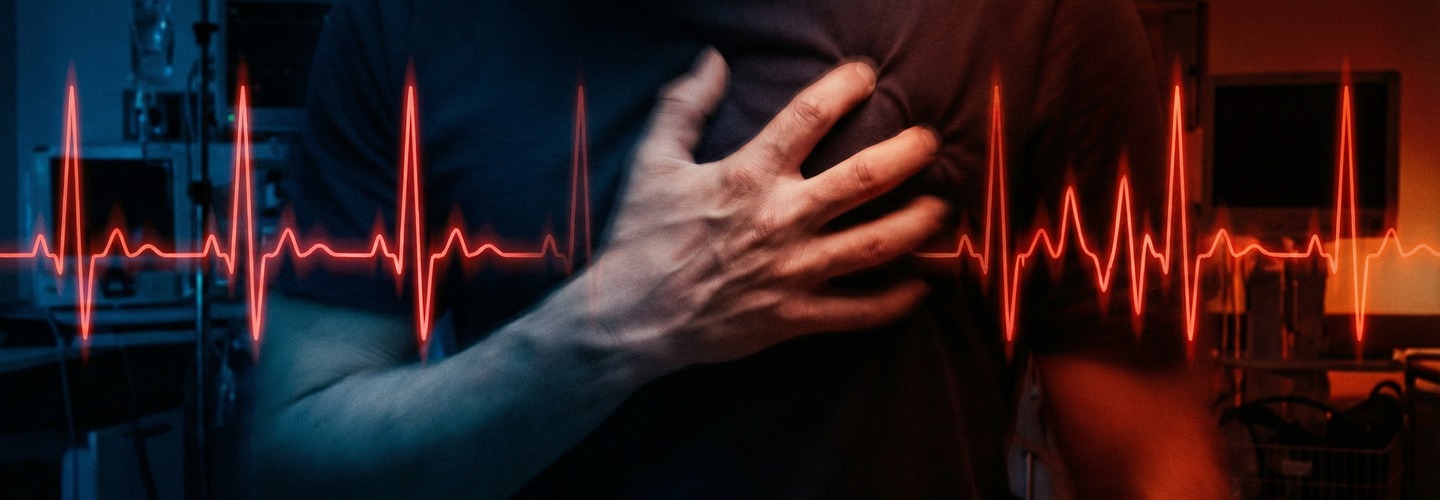
Heart attacks rarely strike without warning, yet many people miss the subtle early signs that can appear days, weeks, or even months before a major cardiac event occurs. Understanding these early warning signs and taking them seriously can be the difference between life and death, as prompt medical attention can prevent a full-blown heart attack or minimize damage to your heart muscle. Learning to recognize these often-overlooked symptoms empowers you to seek help early when treatments are most effective and outcomes are best.
Unlike the dramatic chest-clutching scenes often portrayed in movies, real heart attacks frequently begin with subtle symptoms that develop gradually over time. These early warning signs occur as your coronary arteries become increasingly blocked, reducing blood flow to your heart muscle and creating the conditions that can lead to a heart attack.
The early signs of an impending heart attack are often dismissed as stress, aging, indigestion, or other common problems. This dismissal can be dangerous, as these symptoms represent your heart's attempt to signal that it's not receiving adequate blood flow and oxygen.
Women, older adults, and people with diabetes are particularly likely to experience subtle or atypical early warning signs rather than the classic chest pain that many people associate with heart attacks. This makes awareness of diverse symptoms even more crucial for these populations.
The timeline for early warning signs varies, with some people experiencing symptoms for weeks or months before a heart attack, while others notice changes only days before. Regardless of timing, these symptoms should never be ignored or attributed to normal aging or stress without medical evaluation.
Extreme, unexplained fatigue is one of the most common early warning signs of an impending heart attack, particularly in women. This isn't the normal tiredness you feel after a busy day or poor night's sleep, but rather a profound exhaustion that seems disproportionate to your activities.
This fatigue often develops gradually over days or weeks, making it easy to dismiss as stress, overwork, or getting older. However, when your heart isn't receiving adequate blood flow due to blocked coronary arteries, it has to work harder to pump blood throughout your body, leading to this overwhelming sense of tiredness.
The fatigue associated with impending heart attack often doesn't improve with rest and may actually worsen over time. You might find yourself needing to sit down frequently during activities that previously didn't tire you, or feeling exhausted after minimal exertion.
Women are particularly likely to experience this type of fatigue before a heart attack, sometimes describing it as feeling like they're "carrying a heavy backpack" or having "no energy left in their body." This symptom can be so subtle that it's often attributed to hormonal changes, stress, or depression rather than heart problems.
Difficulty breathing or feeling short of breath during normal activities can be an early sign that your heart isn't pumping effectively due to reduced blood flow. This symptom often occurs without the chest pain that many people expect with heart problems, making it easy to overlook.
This shortness of breath typically develops gradually and may initially occur only during physical activity or exertion. Over time, you might notice breathlessness during lighter activities or even while at rest. The progression can be so gradual that you unconsciously adjust your activities to avoid triggering the symptom.
Unlike shortness of breath from lung problems, cardiac-related breathlessness often improves when you sit up or lean forward, and may be accompanied by a feeling that you can't get enough air no matter how deeply you breathe.
Some people describe this symptom as feeling like they're breathing through a straw or like there's a weight on their chest making it difficult to expand their lungs fully. The symptom may be more noticeable when lying flat, causing you to need extra pillows to sleep comfortably.
While severe, crushing chest pain is the classic heart attack symptom, early warning signs often involve much more subtle chest sensations that come and go over days or weeks. This discomfort might feel like pressure, squeezing, fullness, or aching rather than sharp pain.
The discomfort may be located in the center of your chest, but it can also occur on the left side, right side, or even seem to move around. It might last for a few minutes and then disappear, only to return hours or days later. This intermittent nature often leads people to dismiss it as muscle strain or indigestion.
Some people describe this early chest discomfort as feeling like someone is sitting on their chest, like a tight band around their chest, or like pressure building up inside their chest cavity. The sensation might be accompanied by a feeling of heaviness or fullness.
The discomfort may be triggered by physical activity, emotional stress, or even eating, and might improve with rest. However, as coronary artery blockages worsen, the discomfort may occur with less provocation and last longer each time it appears.
Heart-related pain doesn't always stay in the chest area. Early warning signs can include discomfort in your arms, back, neck, jaw, or stomach that seems unrelated to any injury or obvious cause.
Left arm pain is well-known as a heart attack symptom, but the discomfort can occur in either arm, both arms, or alternate between arms. The pain might feel like aching, heaviness, or even numbness rather than sharp pain. Some people describe it as feeling like their arm is "asleep" or heavy.
Back pain, particularly between the shoulder blades or in the upper back, can be an early sign of heart problems. This pain is often described as a deep aching or burning sensation that doesn't seem related to movement or position changes.
Jaw pain or discomfort, especially on the left side, can be an early warning sign that's often mistaken for dental problems or temporomandibular joint disorders. The pain might feel like a toothache or jaw muscle tension.
Stomach discomfort, including nausea, indigestion, or upper abdominal pain, can be early signs of heart problems, particularly in women. This symptom is often dismissed as food-related or stress-induced stomach upset.
Feeling dizzy, lightheaded, or unsteady can be an early warning sign that your heart isn't pumping blood effectively throughout your body, including to your brain. This symptom often occurs along with other early warning signs but can be subtle enough to attribute to other causes.
The dizziness associated with heart problems often occurs during physical activity or when changing positions, such as standing up quickly. However, it can also happen at rest, particularly if your heart rhythm is affected by reduced blood flow to the heart muscle.
Some people experience a feeling of being off-balance or unsteady on their feet, while others describe feeling like they might faint or pass out. The sensation might be brief and intermittent, making it easy to dismiss as dehydration, low blood sugar, or inner ear problems.
Near-fainting episodes or actual fainting can be more serious early warning signs, particularly if they occur during physical activity or emotional stress. These episodes suggest that your heart may not be able to maintain adequate blood pressure during times of increased demand.
Breaking out in a cold sweat without obvious cause, particularly when accompanied by nausea or vomiting, can be an early warning sign of heart problems. This symptom combination is often mistaken for flu, food poisoning, or stress reactions.
Cold sweats related to heart problems often feel different from normal sweating due to heat or exercise. The skin may feel clammy and cool, and the sweating might occur suddenly without apparent triggers. This type of sweating often accompanies other early warning signs like chest discomfort or shortness of breath.
Nausea and vomiting can occur as early warning signs, particularly in women, and are often dismissed as stomach problems or stress-related digestive issues. The nausea might be persistent and not related to eating or other obvious triggers.
Some people experience a combination of cold sweats, nausea, and a general feeling of being unwell that they can't quite explain. This constellation of symptoms, particularly when it occurs repeatedly over days or weeks, should prompt medical evaluation.
Men and women often experience different early warning signs of heart attack, making it crucial to understand these variations for proper recognition and response.
Women are more likely to experience subtle symptoms like unusual fatigue, shortness of breath, nausea, and back or jaw pain rather than the classic chest pain. These symptoms are often dismissed as stress, hormonal changes, or other non-cardiac causes.
Men more commonly experience chest discomfort and left arm pain, though they can also have subtle symptoms that are easily overlooked. Men may be more likely to dismiss early warning signs as work stress or physical strain.
Older adults of both genders may have more subtle symptoms and are more likely to experience shortness of breath, fatigue, and dizziness as primary symptoms rather than chest pain.
People with diabetes may have reduced sensation due to nerve damage and might not experience typical pain symptoms, making other early warning signs like fatigue and shortness of breath particularly important to recognize.
Certain risk factors make early warning signs more concerning and warrant more urgent medical evaluation.
Family history of heart disease, particularly early heart attacks in parents or siblings, increases the significance of any potential early warning signs.
Existing cardiovascular risk factors like high blood pressure, high cholesterol, diabetes, smoking, or obesity make early warning signs more likely to represent actual heart problems.
Previous heart problems, including prior heart attacks, coronary artery disease, or heart procedures, make new symptoms particularly concerning and warrant prompt evaluation.
Age over 65 increases the likelihood that early warning signs represent serious heart problems, though heart attacks can occur at any age.
Understanding when early warning signs require immediate versus urgent medical attention can be life-saving.
Seek emergency care immediately if you experience severe chest pain, difficulty breathing, fainting, or if early warning signs suddenly become much worse or are accompanied by severe symptoms.
Schedule urgent medical evaluation within 24-48 hours if you're experiencing multiple early warning signs, if symptoms are worsening over time, or if you have significant risk factors for heart disease.
Don't wait for symptoms to become severe before seeking help. Early intervention can prevent heart attacks or minimize damage if one occurs.
Trust your instincts – if something feels seriously wrong or different from your normal state of health, seek medical evaluation even if symptoms seem mild.
Taking early warning signs seriously and seeking prompt medical evaluation can dramatically improve outcomes and potentially prevent heart attacks altogether.
Early detection allows for interventions like medications, lifestyle changes, or procedures that can restore blood flow to your heart muscle before permanent damage occurs.
Prompt treatment can prevent the progression from early warning signs to full heart attack, potentially saving your life and preserving heart function.
Even if early warning signs turn out to be from non-cardiac causes, getting them evaluated provides peace of mind and ensures that serious problems aren't missed.
When you seek medical evaluation for potential early warning signs, various tests can help determine if your symptoms are heart-related.
Electrocardiograms can detect changes in your heart's electrical activity that might indicate reduced blood flow to your heart muscle.
Blood tests can measure cardiac enzymes and other markers that indicate heart muscle damage or stress.
Stress tests can reveal how your heart responds to increased demands and whether coronary arteries are significantly blocked.
Cardiac imaging tests like echocardiograms or cardiac CT scans can assess heart function and detect coronary artery disease.
While recognizing early warning signs is crucial, preventing heart problems through risk factor management is equally important.
Heart-healthy lifestyle choices including regular exercise, healthy diet, not smoking, and stress management can prevent many heart attacks.
Managing medical conditions like high blood pressure, diabetes, and high cholesterol reduces your risk of developing coronary artery disease.
Regular medical check-ups allow for early detection and treatment of cardiovascular risk factors before they lead to heart problems.
Medication adherence for prescribed heart medications helps prevent progression of existing heart disease.
If you're at risk for heart attack or experiencing early warning signs, being prepared for emergencies is important.
Know the signs of a full heart attack and when to call emergency services immediately.
Keep a list of your medications and medical conditions readily available for emergency responders.
Have a plan for getting to emergency care quickly if symptoms suddenly worsen.
Consider wearing medical alert identification if you have significant heart disease or risk factors.
Recognizing and acting on early warning signs of heart attack can be life-saving. These subtle symptoms often appear days or weeks before a major cardiac event, providing a crucial window of opportunity for prevention and early intervention.
If you're experiencing any of these early warning signs or have concerns about your heart attack risk, the experienced cardiologists at Cardiac Care Associates in Northern Virginia can provide comprehensive evaluation and expert guidance on protecting your heart health.
Don't ignore potential early warning signs or wait for symptoms to become severe. Call Cardiac Care Associates at (703) 481-9191 today to schedule your consultation and get the expert cardiac evaluation you need to prevent heart attack and maintain optimal cardiovascular health.

Cardiac Care Associates welcomes Dr. Ju Young Sally Bae, MD, FACC, an interventional cardiologist bringing advanced expertise in complex coronary care, cardiovascular disease, and patient-centered treatment.

Cardiac Care Associates welcomes Joseph Lee, PA-C, an inpatient cardiovascular physician assistant dedicated to collaborative, patient-centered care for hospitalized heart patients.

What is cardiac catheterization? Learn how this minimally invasive procedure works, what to expect during recovery, and how it helps diagnose heart conditions.
.webp)
To secure your appointment promptly, take advantage of our hassle-free online booking form.


Follow us on social media to stay updated with news and events!


